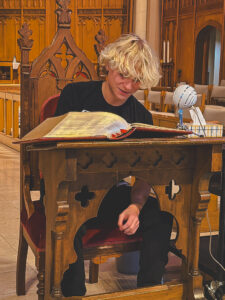
Saint Michael and All Angels in Mission recently celebrated their 40th year of partnership with the Saint Paul’s parish & school in Tobeck, Haiti. During coffee hour, the parish met with Father Fred Menelas, the parish priest, to discuss and reflect on the shared mission and hear updates about the school. Many questions were asked about the safety of the school’s students, staff, and families due to the frequent news articles about the ongoing violence in Haiti.
To offer a firsthand perspective, I spoke with Jim Grant, director of the Episcopal birthing center in Tobeck, who had just returned from a visit to the region. The following article draws from that conversation, offering insights into the realities on the ground and the enduring hope found in the work being done.
In a country too often reduced to headlines of violence and chaos, Jim Grant’s story offers a different view—one defined not by fear, but by faith, resilience, and the unwavering power of community.
As Executive Director of the Global Birthing Home Foundation, Jim Grant has returned to Haiti more than 80 times since 2008. His focus is the Maison de Naissance birthing center in Torbeck, on Haiti’s southwest peninsula—a place he’s committed his life to supporting, even as conditions across the nation have become increasingly dire.
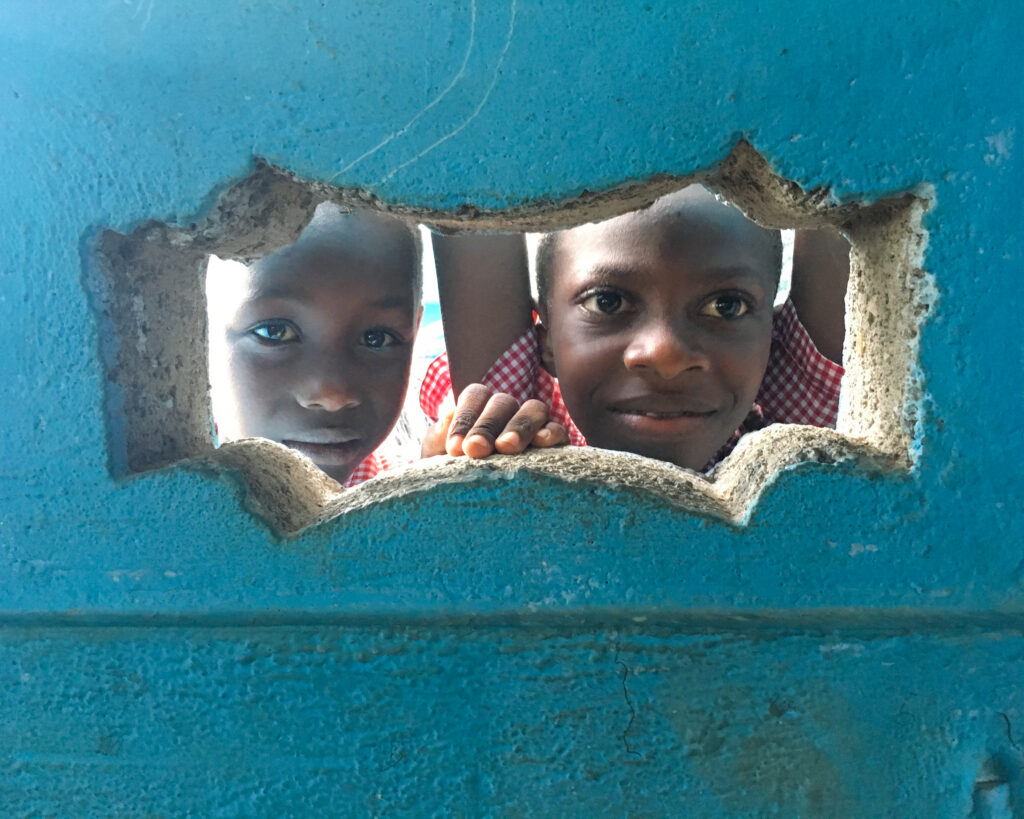
“Most people just hear about Port-au-Prince,” Grant said, “but that’s not the whole country.” While gangs have tightened their grip on the capital, much of rural Haiti continues to function peacefully, if not easily. Torbeck, though isolated, has become a beacon of hope. But getting there isn’t simple. With roads blocked and the peninsula cut off from major ports, supplies must come through small aircraft or the black market.
What’s kept the birthing center alive, despite skyrocketing costs and supply shortages, is the sheer willpower of its Haitian staff. “Our people are the reason we’re still going,” he explained. One facilities manager, also a lawyer, leverages his community ties to obtain fuel and resources when formal channels are no longer available.
The center’s success is striking. To date, over 9,200 babies have been delivered without a single maternal death, a staggering record even by global standards. The key? A model built on continuity and compassion. Expectant mothers receive consistent prenatal care from skilled midwives, forming bonds that reduce stress, improve outcomes, and restore dignity to the birthing process.
“The mother is not just a patient—she’s treated like family,” Grant emphasized. “And that changes everything.”
Still, the challenges aren’t just logistical. They’re emotional. The influx of refugees from Port-au-Prince has overwhelmed regional care, and the departure of over half of Haiti’s medical
NGOs has left gaps too wide for any one organization to fill. “People assume Haiti is a lost cause,” he said. “But they only see the chaos. They don’t see the gardens people are growing, the livestock they’ve raised, or the way neighbors care for each other.”
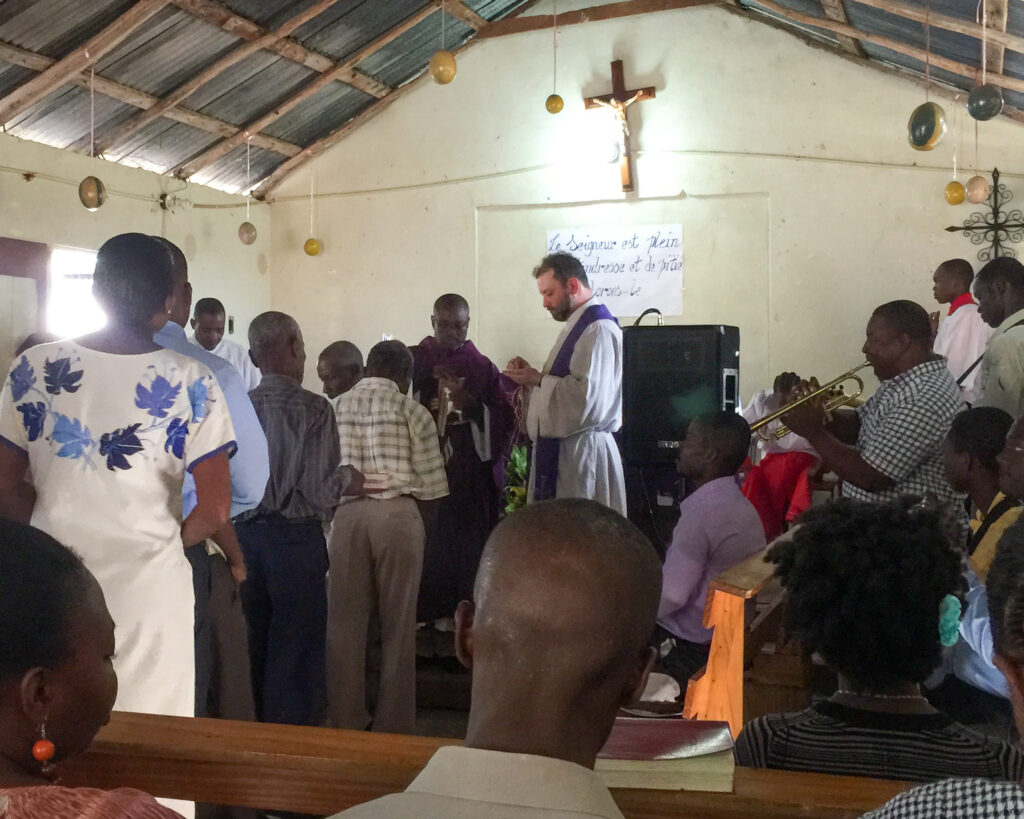
Despite the headlines that often define Haiti to the American public, Jim Grant urges people not to let fear dictate their willingness to lend a hand. “The media thrives on sensationalization,” he noted. “You can’t sensationalize good news very well.” While the violence in Port-au-Prince dominates coverage, Grant is quick to remind others that 99.9% of that unrest is confined to the capital. “The rest of the country—places like Torbeck—is peaceful, full of life, and filled with people just trying to live with dignity.” Even amidst the challenges, he believes that small gestures of support often lead to a lasting impact. “If you can’t go there yourself,” he said, “you’re not going to get an accurate picture. But that doesn’t mean you can’t still care—or help.”
Grant’s path into global health work wasn’t planned. For years, he’d built a successful IT career, earning well but feeling unfulfilled. “I realized at some point that it was my career path that was making me miserable,” he admitted. It wasn’t until a chance meeting with one of Maison de Naissance’s founders, Dr. Stan Shaffer, that everything shifted. He took their advice, booked a trip to Haiti, and was immediately drawn in. “I went for two weeks, and that was it. I was hooked,” he recalled. “I came back and talked him into giving me a job.” His passion has only grown since: “I’m not ready to quit. Best job I ever had.”
Now approaching 70, Grant shows no signs of slowing down. “I love this job. And I’m not done.”
Learn More: To find out more about the Global Birthing Home Foundation or to support their mission towards safe maternal care in Haiti, visit globalbirthinghomefoundation.org. All forms of support are deeply appreciated.
Want to hear the whole story? Listen to the original interview with Jim Grant here for deeper insight into his work and voice from the ground in Haiti.
by Jack Welker
 835 SW Polk St.